
Unlock Studio Quality Sound with Kmise USB Interface
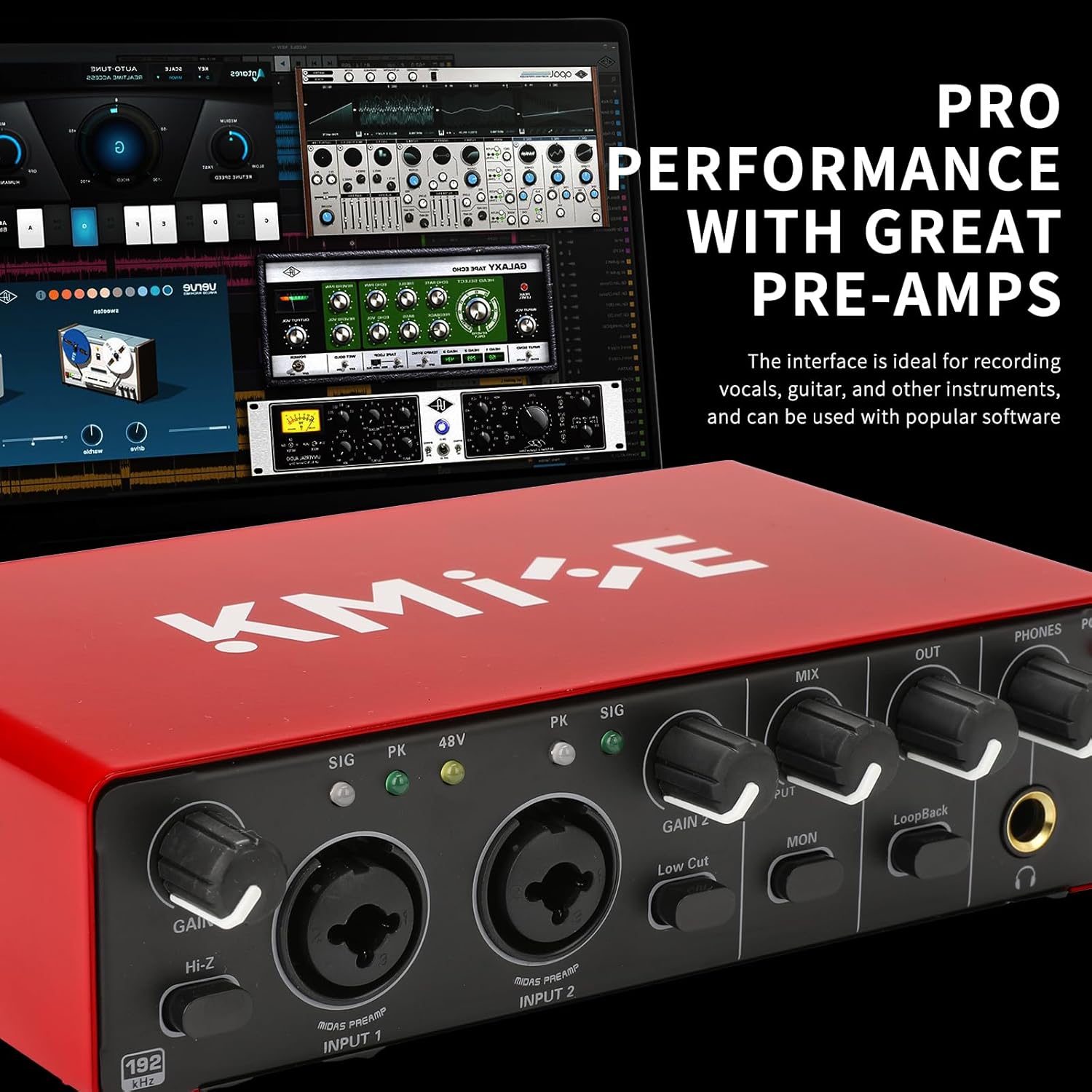
Kmise USB Audio Interface: An Overview
The Kmise USB Audio Interface is a versatile and reliable tool designed to meet the needs of various recording professionals, including guitarists, vocalists, and podcasters. This device offers an essential feature set that promotes studio-quality sound without the complexity often associated with high-end audio interfaces. One of its standout features is the 48V phantom power, which is crucial for powering condenser microphones. This capability ensures that vocal recordings capture every nuance and detail, offering clarity that listeners expect from professional content.
Compatibility is another strong suit of the Kmise USB Audio Interface. It seamlessly integrates with various digital audio workstation (DAW) software, making it an ideal choice for users across different skill levels. Whether you are a seasoned musician or a novice podcaster, the Kmise interface helps bridge the gap between creativity and technology, allowing users to focus on their performance rather than technical hurdles.
Moreover, the device is designed with user-friendliness in mind. Its straightforward setup process means that anyone can get started with minimal fuss. The Kmise USB Audio Interface provides a plug-and-play experience, ensuring that users spend less time configuring their gear and more time engaging with their art. This accessibility makes it an attractive option for those looking to elevate their sound quality without navigating through complicated hardware or software setups.
In addition to its core features, the Kmise USB Audio Interface is built to last. The sturdy construction provides durability while remaining lightweight and portable. This makes it an excellent choice for on-the-go recording, allowing users to achieve professional sound quality anywhere. By combining advanced features with user-centric design, the Kmise audio interface stands out as a vital component for anyone serious about producing high-quality audio.
Key Features of Kmise USB Audio Interface
The Kmise USB Audio Interface is engineered for musicians and sound engineers who seek high-quality audio recording without the complexities often associated with studio equipment. One of the most significant attributes of this device is its ability to deliver studio-quality sound. Thanks to its advanced internal circuitry and high-performance components, the Kmise interface ensures that recordings have clarity, depth, and professional fidelity that rival more expensive audio interfaces.
In addition to its sound quality, the Kmise USB Audio Interface is designed with ease of use in mind. It features a user-friendly layout, allowing users to quickly understand and utilize the various controls and settings. This makes the interface accessible to both novice musicians and experienced sound engineers. The plug-and-play capability of the device means that users can start recording within minutes of connecting it to their computers, significantly enhancing the workflow for anyone in need of a reliable audio interface.
Connectivity is crucial for any audio device, and the Kmise USB Audio Interface excels in this regard. It employs USB 3.0 Type-A connectivity, ensuring fast data transfer rates and minimal latency during recording sessions. This is particularly important when working with multiple tracks, as it allows for real-time monitoring without any delays that can disrupt the creative process. Furthermore, the interface is also backward compatible with USB 2.0, broadening its usability across a variety of devices.
Another noteworthy feature of the Kmise USB Audio Interface is its 48V phantom power supply. This capability is essential for users who wish to power condenser microphones that require an external power source. This feature not only extends the range of compatible microphones but also ensures optimal performance of high-end audio capture technology, making it an ideal choice for studio recordings.
Benefits for Guitarists
The kmise usb audio interface provides a multitude of benefits that cater specifically to guitarists seeking to elevate their recording experience. One of the foremost advantages is its capability for high-quality sound reproduction. The interface captures and reproduces audio with clarity, allowing guitarists to bring out the nuances of their performance, whether playing clean tones or distorted riffs. This level of audio fidelity is essential for any musician aiming to produce professional-sounding recordings.
Another significant benefit of the kmise usb audio interface is its low latency performance. Latency, or the delay between playing an instrument and hearing it through the software, can be detrimental to a guitarist’s performance. The kmise interface minimizes this delay, enabling real-time monitoring and ensuring a seamless recording process. This is especially beneficial during complex playing sessions where timing is crucial, allowing for a more natural and engaging experience.
Moreover, the kmise usb audio interface offers versatile connectivity options that enhance guitarists’ workflow. It allows the integration of various equipment like microphones, external effects units, and MIDI controllers, fostering a comprehensive recording environment. This versatility ensures that guitarists can leverage their entire setup to create rich, layered recordings. With its user-friendly design, the kmise interface makes it easier to switch between different configurations, facilitating creativity and experimentation.
In conclusion, the kmise usb audio interface stands out as a valuable tool for guitarists, delivering superior sound quality, reduced latency, and flexible connectivity options. These features not only enhance the recording process but also drive musicians toward achieving their sonic goals effectively.
Advantages for Vocalists and Singers
The Kmise USB audio interface is designed to significantly enhance the recording quality for vocalists and singers. One of the primary advantages of using this interface is its ability to capture vocal tones with exceptional clarity and richness. This is facilitated by its high-resolution audio capabilities that allow for detailed reproduction of voice, ensuring that the subtleties of soft vocal nuances are preserved while also handling powerful belting without distortion.
Another noteworthy feature of the Kmise USB audio interface is its low-latency performance. For vocalists recording in real-time, minimal delay is crucial for maintaining timing and pitch accuracy. This interface enables singers to monitor their performances in real time, thanks to its built-in monitoring capabilities. Such a feature is particularly beneficial during recording sessions, as it allows for immediate feedback without the distracting delays often associated with other interfaces.
Moreover, the Kmise USB audio interface is versatile enough to be suitable for both studio settings and home recording environments. Its compact design makes it easy to integrate into various setups, allowing vocalists who work from home or on the go to achieve studio-quality sound. The interface supports multiple input sources, giving vocalists the flexibility to connect a range of microphones, from dynamic to condenser types, tailored to their specific vocal styles.
In addition to its impressive audio performance, the Kmise USB audio interface also offers robust compatibility with major recording software. This ensures that vocalists can seamlessly incorporate the interface into their existing workflows, whether they are beginners or seasoned professionals.
Podcasting with Kmise Audio Interface
The rise of podcasting has revolutionized audio content creation, providing a platform for individuals to share their thoughts and engage with their audience. One essential tool that can elevate the podcasting experience is the Kmise USB Audio Interface. This device not only enhances audio quality but also simplifies the recording process for aspiring podcasters.
Setting up the Kmise USB Audio Interface is remarkably user-friendly, making it accessible for podcasters of all levels. The plug-and-play functionality ensures that users can connect the interface to their computers effortlessly, with minimal technical experience required. This ease of setup allows podcasters to focus on content creation rather than getting bogged down in complex configurations.
Sound quality is paramount when it comes to podcasting, and the Kmise USB Audio Interface excels in this area. It captures crisp and clear audio, which is crucial for voice recordings. The interface supports high-resolution audio formats, allowing podcasters to produce episodes that sound professional and polished. By eliminating background noise and ensuring accurate sound reproduction, the Kmise interface helps podcasters create an engaging listening experience for their audience.
Moreover, the efficiency offered by the Kmise USB Audio Interface is noteworthy. With its built-in preamps and various input options, it accommodates different microphones, enabling users to select the best equipment to match their podcasting style. This flexibility enhances the overall production quality, allowing users to record multi-layered content seamlessly. It equips them with the tools necessary for editing and refining their episodes, streamlining the workflow from recording to release.
In summary, the Kmise USB Audio Interface stands out as a pivotal resource for podcasters seeking to enhance their audio quality and production efficiency. Through its simple setup, excellent sound performance, and versatility, it supports creators in delivering exceptional podcast content that resonates with listeners.
Set-Up and Installation Guide
Setting up the Kmise USB audio interface involves several important steps that ensure optimal performance for your audio projects. To start, verify that your computer meets the minimum technical requirements. The Kmise USB audio interface typically operates on both Windows 10 and macOS systems. Make sure your system has a compatible USB port and sufficient RAM, ideally at least 4GB, to avoid performance issues.
Once the technical requirements are confirmed, follow these steps for installation:
- Connect the Interface: Begin by connecting the Kmise USB audio interface to your computer using the supplied USB cable. Most systems will automatically recognize the interface upon connection. Ensure that the interface is powered and set correctly.
- Install Drivers (if necessary): Some users may require specific drivers for their Kmise audio interface. Check the Kmise website for the latest driver downloads, tailored to your operating system. Download and install these drivers to ensure the interface communicates effectively with your computer.
- Configure Audio Settings: After installation, navigate to your computer’s audio settings. For Windows users, this can be done through the Control Panel; macOS users can adjust settings in the System Preferences. Select the Kmise USB audio interface as your primary input and output device for sound.
- Install Recording Software: To make full use of the Kmise USB audio interface, it’s essential to use quality recording software. Programs such as Audacity, FL Studio, or Logic Pro X work well with this interface. Install your preferred software and check that it detects the audio interface correctly.
- Test the Setup: After installation and configuration, conduct a test recording to ensure that the Kmise USB audio interface is functioning as intended. Adjust input levels and settings to achieve the desired sound quality.
By carefully following these steps, you should have your Kmise USB audio interface up and running smoothly, ready to deliver studio-quality sound for your projects.
User Experiences and Testimonials
The Kmise USB Audio Interface has garnered a wide range of feedback from musicians, podcasters, and audio enthusiasts alike, with many users praising its exceptional performance and sound quality. Musicians often remark on how the interface enhances their recording capabilities, providing clear and vibrant audio that rivals more expensive alternatives. For instance, one guitarist highlighted that the Kmise USB Audio Interface effectively captures the nuances of acoustic instruments, revealing details in their playing that previous interfaces overlooked.
Podcasters, too, have found great value in this device. A seasoned podcaster shared that the Kmise USB Audio Interface improved the overall quality of their recordings; the elimination of background noise and the ability to easily connect multiple microphones were particularly beneficial. This seamless integration allows for smoother recording sessions and enhances the listening experience for their audience. The user noted, “I no longer have to worry about the quality of my audio, which allows me to focus on content creation instead.”
Additionally, the device’s user-friendly interface has been a common point of praise among beginners and seasoned professionals. Many users appreciate its straightforward setup, allowing them to start recording almost immediately without complicated configurations. One new user, excited about entering the world of music production, stated, “The Kmise USB Audio Interface made my transition into home recording effortless; I was up and running within minutes.”
In terms of build quality, several users have pointed out that the Kmise USB Audio Interface feels robust and durable, instilling confidence in its longevity. Feedback consistently indicates that this interface is a reliable tool for ongoing projects, whether in a studio setting or for on-the-go recording. Users unanimously agree that for its price point, the Kmise interface delivers incredible value, making it a top choice for versatile audio applications.
Comparative Analysis with Other Audio Interfaces
When evaluating the Kmise USB audio interface, it is pivotal to compare its features, capabilities, and pricing against other popular audio interfaces on the market. Competitors like Focusrite Scarlett, PreSonus AudioBox, and Behringer UMC series also offer compelling options for musicians and audio engineers.
The Kmise USB audio interface is appealing due to its competitive pricing, which typically falls below that of its competitors. For instance, while the Focusrite Scarlett 2i2 might provide similar functionality, it often comes with a higher price tag. The Kmise interface delivers excellent value, particularly for beginner musicians and home studio enthusiasts seeking quality sound without a hefty investment.
In terms of features, the Kmise USB audio interface provides a straightforward yet effective design. It includes two microphone inputs with individual gain control, a direct monitoring feature, and support for both Mac and Windows operating systems. Such specifications are comparable to the more established brands, which offer similar functionalities but may include additional features at a premium price. The simplicity of the Kmise can be particularly advantageous for users who require an interface without excessive complexities.
Quality-wise, users often find that the Kmise USB audio interface delivers remarkable sound fidelity. It competes well against interfaces like the PreSonus AudioBox, especially at lower price points. Users in reviews frequently highlight the clarity and depth of the audio produced through the Kmise interface, making it suitable for recording vocals, instruments, and more.
Ultimately, what helps the Kmise USB audio interface stand out is its combination of affordability, quality features, and ease of use, providing a solid entry point for any user looking to achieve studio-quality sound without overextending their budget.
Conclusion: Why You Should Consider Kmise
Throughout this article, we have explored the numerous advantages of the Kmise USB audio interface, highlighting its role in enhancing recording quality for both amateur and professional musicians. The Kmise USB audio interface stands out due to its superb sound clarity, low latency, and user-friendly design, making it an ideal choice for anyone looking to elevate their audio production capabilities.
One of the primary reasons to consider the Kmise USB audio interface is its compatibility with various devices and operating systems, which allows seamless integration into any recording setup. Whether you are using a laptop, desktop, or tablet, this interface ensures that you can effortlessly connect and start recording high-quality audio tracks. Additionally, the inclusion of multiple inputs and outputs provides flexibility for connecting various instruments and microphones, catering to diverse recording needs.
Moreover, the Kmise USB audio interface boasts robust build quality, ensuring durability even during extended sessions. This reliability is essential for musicians who require consistent performance when capturing their sound. The interface is designed not only to meet the demands of recording but also to enhance the overall audio experience through its superior sound reproduction and minimal distortion.
In summary, if you are striving for studio-quality sound and wish to improve the quality of your recordings, the Kmise USB audio interface presents an excellent investment. Its comprehensive features, ease of use, and affordability make it a top contender in its category. We encourage readers to explore the Kmise USB audio interface further and consider it as the next addition to their audio equipment arsenal for achieving exceptional sound quality.
As an Amazon Associate I earn from qualifying purchases.
Take a closer look