
Sonic Exploration With The Modified Telecaster
As an Amazon Associate, we may earn from qualifying purchases. This comes at no extra cost to you and helps support our website.
Unlocking New Sonic Textures in the Modern Home Studio
The modern digital workflow thrives on versatility, where a single instrument needs to transition seamlessly between vast ambient soundscapes and crisp, rhythmic punctuation. Integrating an instrument that bridges the gap between traditional tactile response and forward-looking electronic setups transforms how we approach composition. When tracking layers for a new project, having immediate access to distinct sonic profiles alters the creative direction of a piece from the very first note.
The structural foundation of an alder body paired with a maple neck offers a balanced frequency response that serves as a clean canvas for digital effects processing. When routing a signal through complex delay lines, granular synthesis modules, or high-gain amplifier simulations, the inherent clarity of the instrument ensures that the core musical ideas remain distinct. This structural stability means less time spent tweaking equalization parameters in a digital audio workstation and more time spent capturing the initial spark of inspiration.
Navigating different musical genres requires a tool that adapts to changing creative impulses without interrupting the momentum of a session. A setup that combines varied pickup architectures lets you shift from thick, warm textures to sharp, articulate leads instantly. This adaptability is especially valuable during spontaneous late-night tracking sessions when the focus is entirely on translating an abstract concept into an audible reality.
Navigating the Parallel Universes of the SH Configuration
The Depth of the Neck Humbucker
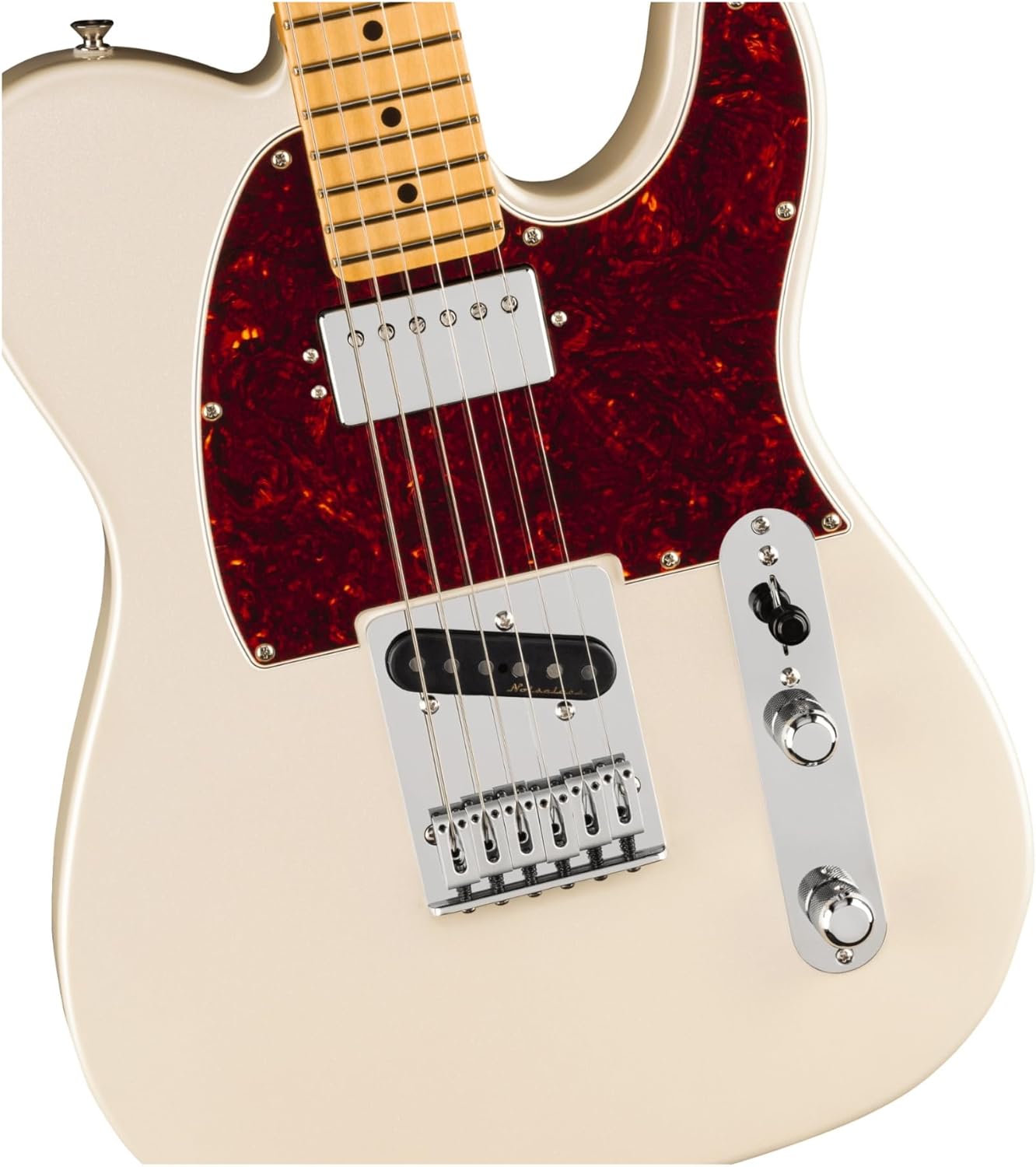
Exploring the lower frequency spectrum and mid-range warmth becomes an engaging process with a dedicated humbucker in the neck position. This configuration introduces a thick, articulate character that anchors ambient chord progressions and provides a substantial foundation for looping setups. The rounder, wider magnetic aperture captures the complex overtones of the strings, making it an excellent match for spatial processing, lush reverbs, and modulation effects that require a full-bodied input signal.
When fed into software profiling tools or analog synthesis patches, this throatier voice retains its definition even under heavy processing. It allows for the creation of synth-like pad textures directly from the fretboard, expanding the traditional boundaries of what a solidbody instrument is expected to produce. The articulate note separation ensures that complex jazz voicings or extended chords do not dissolve into muddy frequencies, keeping the harmonic structure intact.
The Clarity of the Noiseless Bridge
Switching focus to the bridge position reveals a different sonic landscape characterized by immediate transient response and biting clarity. The inclusion of a noiseless design addresses one of the persistent challenges of modern digital recording environments: electromagnetic interference from computer monitors, studio lighting, and audio interfaces. By eliminating this background hiss, the signal remains pristine, allowing for high-gain experimentation and stacking multiple layers of overdrive without introducing unwanted noise.
This position excels at cutting through dense arrangements, providing the rhythmic definition needed to drive a track forward. The classic twang associated with this traditional design is present, but it operates with a refined smoothness that interacts predictably with digital dynamics processing. Whether tracking precise funk rhythms or sharp, angular indie leads, the immediate response of the bridge pickup translates the nuances of pick attack directly into the recording software.
The Mechanics of Seamless Tone Modulation
The implementation of a modified circuit featuring a treble bleed system alters how a musician interacts with the volume control during a performance. Traditional wiring often results in a loss of high-end clarity as the volume is decreased, leading to a darker, muffled tone at lower outputs. With a treble bleed circuit, the high frequencies are preserved as the signal level drops, allowing for precise gain staging directly from the instrument.
- Consistent Frequency Response: The tonal balance remains uniform from fully open to dialed back.
- Dynamic Expression: Clean up an overdriven amplifier simulation simply by rolling back the volume knob without losing definition.
- Interacting with Fuzz Pedals: Maintain the sharp edge of modern fuzz infrastructure even at lower volume settings.
Complementing this circuit is the push-pull split switch integrated into the tone control, which expands the functional capabilities of the neck humbucker. Engaging this switch splits the humbucking coils, offering a path back to traditional single-coil neck tones. This immediate transition allows for quick stylistic shifts within a single take, enabling a performance to evolve naturally from a robust, heavy introduction into a delicate, sparse verse without stopping to switch instruments.
+--------------------------+-----------------------------------------------+
| Feature                  | Musical Application                           |
+--------------------------+-----------------------------------------------+
| Treble Bleed Circuit     | Maintains high-end clarity at lower volumes   |
| Push-Pull Split Switch   | Alternates between humbucker and single-coil  |
| Noiseless Bridge Pickup  | Eliminates interference in digital studios     |
+--------------------------+-----------------------------------------------+
Refining the Physical Connection to the Fretboard
The physical interaction between a player and the instrument dictates the ease with which musical ideas are executed. A modern C-shaped maple neck profile provides a neutral, comfortable geometry that accommodates a wide variety of hand positions and playing techniques. This profile strikes a balance between being substantial enough for solid chord anchoring and sleek enough for rapid, intricate linear passages across the 22 frets.
The tactile experience is further enhanced by a rolled fingerboard edge, a detail that minimizes resistance as the hand moves vertically along the neck. This smooth transition reduces physical fatigue during extended practice sessions or long hours in the recording chair, allowing the focus to remain entirely on the creative output. The satin finish on the back of the neck prevents sticking, ensuring consistent movement regardless of shifts in temperature or humidity within the workspace.
Intonation and stability form the backbone of any reliable tool, particularly when experimenting with non-standard tunings or aggressive technical approaches. The inclusion of short shaft locking tuners simplifies the string-changing process while significantly increasing tuning reliability by eliminating string wraps around the post. Paired with updated string trees, the downward tension across the nut is optimized, reducing friction and ensuring that strings return to pitch accurately after heavy bending or aggressive strumming patterns.
The Secret to Vintage Sustain and Modern Intonation
Beneath the sleek aesthetic of the Olympic Pearl finish lies a critical component that bridges historical character with contemporary precision. The bridge system utilizes six satin chrome-plated brass saddles, a design choice that impacts both the acoustic resonance and the mechanical accuracy of the instrument. Brass has long been favored for its specific dampening characteristics and its capacity to transfer string vibration efficiently into the alder body, contributing to a natural, singing sustain.
Unlike traditional three-saddle designs that require geometric compromises when setting intonation, the six-saddle configuration allows for independent adjustment of every individual string. This level of precision is essential for modern recording environments where slight tuning discrepancies become magnified when layered against digital instruments or software synths. Achieving accurate intonation across the entire length of the fretboard ensures that chords remain perfectly in tune in every register.
The combination of stable hardware, innovative electronics, and refined physical contours transforms the instrument into an extension of the creative mind. By minimizing the technical friction often associated with dialing in diverse tones or maintaining tuning stability, it allows musicians to push their boundaries and explore new sonic territories with confidence.
Integrating Advanced Capabilities into Daily Workflows
Incorporate these design elements into your regular routine to maximize the creative potential of the instrument:
Developing Compositional Textures: Use the neck humbucker to track a dense, ambient chord progression, then engage the push-pull split to layer a clean, articulate counter-melody over the top using the same pickup position for a cohesive yet distinct harmonic palette.
Managing Live Performance Dynamics: Leverage the treble bleed circuit during rehearsals or live sets to control the drive level of your amplifier or digital modeler directly from the guitar, allowing for smooth transitions between rhythm and lead volumes without touching a foot controller.
Optimizing High-Gain Environments: Position yourself close to your studio monitors or lighting rigs while using the noiseless bridge pickup to record high-gain tracks, taking advantage of the quiet operation to capture clean takes without the need for aggressive noise gates that can clip the natural decay of your notes.
A Versatile Companion for Evolving Musicianship
The integration of thoughtful design updates with classic foundations results in an instrument that aligns naturally with the demands of modern music creation. The ability to pivot between the thick warmth of a humbucker and the cutting presence of a noiseless single-coil opens up significant avenues for sonic experimentation. This flexibility makes it a valuable asset for songwriters who need to audition different tonal directions quickly during the early stages of a track’s development.
For players focusing on technical development and consistent practice, the refined neck ergonomics and stable tuning infrastructure provide a reliable foundation that removes distractions. The instrument responds predictably across different amplification platforms, from traditional tube setups to contemporary digital workstations and headphone modelers. This consistency ensures that the focus remains entirely on the nuances of performance and the exploration of new musical ideas.
Ultimately, this configuration serves as a versatile tool that adapts to the evolving identity of the player. Whether tracking intricate arrangements in a home studio, rehearsing with a group, or exploring new textures through an effects loop, the balance of vintage resonance and modern engineering supports a broad range of creative pursuits, making it a reliable fixture in any musical workflow.
As an Amazon Associate I earn from qualifying purchases.
Take a closer look