
Ultimate UHF Wireless In-Ear Monitor Guide
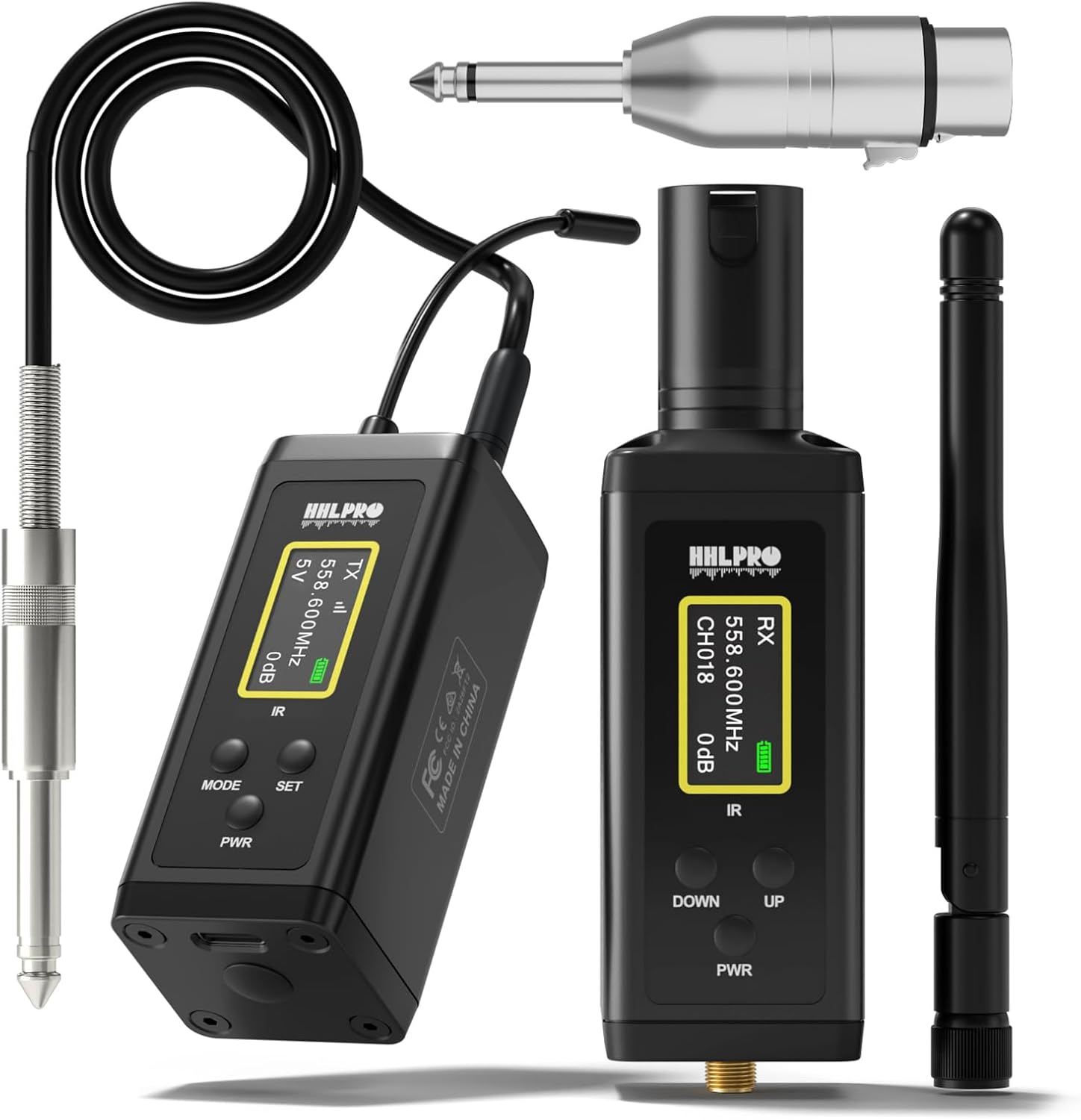
Introduction to UHF Wireless In-Ear Monitors
UHF wireless in-ear monitors (IEMs) are an essential tool for modern musicians, sound engineers, and performers, enhancing the way they experience live audio. These devices allow performers to receive high-quality sound directly in their ears without the interference and clutter often associated with traditional stage monitoring systems, such as floor wedges. Utilizing Ultra High Frequency (UHF) technology, these IEM systems deliver crisp audio signals over considerable distances, which is crucial during live performances.
One of the most significant advantages of using UHF wireless in-ear monitor systems is the unparalleled mobility they provide. Performers are no longer tethered to a specific spot on stage, allowing them to move freely while still receiving a reliable audio mix. This mobility can lead to more dynamic and engaging performances, as musicians can interact more fully with their audience without concerns over audio feedback or the quality of sound delivery.
Moreover, UHF wireless IEMs deliver enhanced sound fidelity compared to traditional monitoring methods. They provide a more accurate representation of the mix, allowing performers to hear nuances in the music that might otherwise be lost. This clarity enables artists to maintain their pitch and timing, leading to improved overall performances. Additionally, many models come with options for personalized audio mixes, enabling users to tailor what they hear to their specific preferences.
In summary, UHF wireless in-ear monitor systems have revolutionized the live music experience, providing significant benefits in mobility, sound quality, and customized monitoring for musicians and sound engineers alike. As the technology continues to advance, its importance in the industry will likely continue to grow.
Key Features of the UHF Wireless In-Ear Monitor System
The UHF wireless in-ear monitor system is designed to provide performers with efficiency, clarity, and ease of use, ensuring an optimal auditory experience during live performances. One of its standout features is its operational range, which can extend up to 260 feet. This impressive distance allows performers to move freely on stage without compromising sound quality, providing flexibility and comfort in various performance settings.
Low latency is another critical aspect of this system, ensuring that there is minimal delay between the sound signal being sent from the transmitter and the audio being received in the in-ear monitors. This feature not only enhances the overall performance experience but prevents timing issues that can disrupt a live show. A low-latency system is crucial for musicians (especially drummers and vocalists) who rely heavily on timely audio feedback.
Moreover, the ability to select from 26 different channels provides users with a significant advantage in terms of reducing interference. This multitude of channels means that multiple performers can use the in-ear monitor system simultaneously without impacting one another, promoting seamless collaboration and coordination on stage. This is essential in large ensemble performances, where communication and balance are keys to successful sound delivery.
Lastly, the dual volume control functionality offers users enhanced customization of their audio experience. Performers can adjust their monitor levels independently, allowing for personal comfort and ensuring that they hear themselves and the other instruments clearly. This level of control contributes to better performance confidence and overall satisfaction with the audio capabilities of the UHF wireless in-ear monitor system.
Why Choose UHF Wireless IEMs Over Other Systems?
In the realm of audio monitoring, the choice between UHF wireless in-ear monitor systems (IEMs) and alternative setups, such as wired monitors and other wireless options, is crucial for achieving optimal sound delivery. Each system offers distinct advantages and drawbacks, but UHF wireless IEMs often stand out for their superior performance.
One of the primary advantages of UHF wireless IEMs is their remarkable sound quality. Unlike lower frequency systems, which may suffer from interference and limited range, UHF technology operates within a higher frequency band, providing a clearer and more reliable audio signal. This is particularly beneficial in live performance environments where sound clarity is paramount. Moreover, UHF systems are designed to transmit audio signals over greater distances without degradation, allowing performers the freedom to move without compromising sound integrity.
Mobility is another significant advantage offered by UHF wireless IEMs. Being untethered allows for enhanced stage presence and flexibility, crucial for artists and performers who engage with their audience. In contrast, wired monitors can restrict movement and create potential tripping hazards, which may negatively affect a performance. Alternative wireless options, such as VHF systems, typically lack the mobility and reliability of UHF systems, leading to potential sound interruptions or drops in audio quality.
Setup flexibility is yet another area where UHF wireless IEMs excel. They can be easily integrated into various audio ecosystems, accommodating different roles in both small and large-scale productions. This adaptability ensures that sound engineers can configure the system according to venue requirements without excessive complication. In comparison, other monitoring systems might involve more cumbersome setups, either due to wiring or compatibility issues.
Ultimately, while there are various monitoring systems available, the UHF wireless in-ear monitor system is an unparalleled choice when prioritizing sound quality, mobility, and flexible setup. These features collectively enhance the overall performance experience for both artists and audiences alike.
Benefits of Dual Volume Control and Auto Pairing
The dual volume control feature present in many UHF wireless in-ear monitor systems contributes significantly to the adaptability and usability of the audio experience, particularly in live performance scenarios. This functionality allows performers to individually adjust the sound levels for each ear, enhancing their overall auditory perception while on stage. For instance, a vocalist might experience a greater need for vocals in one ear while requiring more ambient sound in the other. By facilitating this level of customization, dual volume control empowers artists to craft their sonic environment according to their specific preferences, optimizing their performance and comfort levels.
Moreover, the auto pairing feature streamlines the setup process, reducing the complexity that often comes with wireless systems. Traditionally, establishing a connection between the transmitter and receiver could require multiple steps, including manual frequency adjustments and troubleshooting. However, with modern UHF wireless in-ear monitor systems equipped with auto pairing, this process becomes significantly more user-friendly. Once powered on, the devices automatically detect each other and establish a secure link, enabling artists to focus more on their performance rather than technical setups.
In practical applications, these features perfectly complement one another. For example, a band performing at a festival can benefit from a rapid setup using the auto pairing function, allowing them to quickly transition between sound checks and live sets. Simultaneously, the musicians can fine-tune their respective audio mixes through the dual volume control, ensuring that each performer enjoys their preferred sound balance. This combination of innovative features not only enhances individual performance experiences but also elevates the overall quality of live music presentations.
How to Set Up Your UHF Wireless IEM System
Setting up your UHF wireless in-ear monitor system can significantly enhance your audio experience, ensuring clear sound transmission in various performance settings. The following steps will guide you through the process, enabling optimal functionality of your system.
Begin by unboxing your UHF wireless in-ear monitor system. You will typically have a beltpack transmitter, receiver, and in-ear monitors. First, connect the beltpack transmitter to your audio source. This could be a mixing console or a music player. Use a suitable cable that corresponds to the output of the audio source and input of the transmitter, ensuring a snug fit to prevent any signal loss.
Next, ensure the receiver is properly paired with the transmitter. This often involves selecting the same frequency on both devices. Check the user manual, as the pairing method can differ between models. For the best audio quality, position the receiver within line-of-sight of the transmitter, as obstructions can lead to interference and signal degradation.
Adjust the output level on the transmitter to avoid distortion. You will want to conduct a sound check, listening through your in-ear monitors. Make fine adjustments to both the transmitter and receiver volumes to achieve a balanced mix. Additionally, explore any built-in equalization options available on your system for further audio refinement.
If you encounter issues, such as dropouts or unclear audio, consider changing the frequency on both the transmitter and receiver to avoid conflicts with other wireless devices. Familiarize yourself with the troubleshooting section of the manual, as many manufacturers provide detailed guidance for common problems associated with wireless systems.
Taking these steps will ensure a smooth setup process, allowing you to leverage the advantages of your UHF wireless in-ear monitor system effectively. This guide aims at enabling you to achieve faultless performance quality during your event.
Real-Life Applications of UHF Wireless IEMs
The UHF wireless in-ear monitor system has transformed audio monitoring in various performance contexts, enabling artists and technicians to achieve unprecedented sound quality and control. These systems are especially prominent in live concerts, where performers can receive real-time audio feedback essential for delivering a polished performance. Musicians rely on UHF wireless IEMs to hear their instruments and vocals clearly, allowing them to stay in tune and maintain perfect timing, even in the most energetic environments.
Theater productions also benefit significantly from the use of UHF wireless IEM systems. Actors must navigate complex stage setups and often perform in challenging acoustical environments. By utilizing in-ear monitors, they can receive cues and dialogue directly, ensuring seamless communication and enhancing their overall performance. This technology is particularly advantageous in larger venues where sound can travel unpredictably, giving actors a reliable audio source amidst varying acoustics.
In rehearsal environments, UHF wireless IEMs play a critical role in fine-tuning performances. Directors and sound engineers can communicate instructions and feedback live, allowing performers to adjust as needed without disrupting the flow of rehearsal. This dynamic interaction facilitates quicker learning and adaptability, which is invaluable in a fast-paced rehearsal setting.
Professional users frequently commend the clarity and reliability of UHF wireless in-ear monitor systems. For instance, a renowned sound technician noted, “The transition to using UHF systems in our shows has elevated our audio experience entirely. Not only do the performers hear themselves better, but we can also address audio challenges in real time, making for a smooth-running performance.”Through these varying scenarios—concerts, theater, and rehearsals—its versatility and dependability establish the UHF wireless in-ear monitor system as an indispensable tool in the performing arts, enhancing both performer experience and audience enjoyment.
Customer Reviews and Feedback on the UHF Wireless System
As the demand for high-quality audio solutions continues to rise, the UHF wireless in-ear monitor system has garnered attention from both professional and amateur audio users. Customer reviews provide valuable insights into the performance, usability, and overall satisfaction with these systems. Many users commend the ease of setup and operation, highlighting that even those with limited audio experience can quickly adapt to using the UHF wireless system.
Feedback frequently emphasizes the superior sound quality offered by these systems. Users have noted the clarity and richness of audio, which significantly enhances their listening experience during live performances. This aspect is particularly appreciated by musicians and presenters who rely on pristine audio to engage their audience effectively. The consistency of the signal, even in crowded environments, has been another point of praise, with many reviews indicating minimal disruptions or interference.
However, it is essential to consider some critiques as well. A few customers have mentioned their concerns regarding battery life, expressing a desire for longer-lasting performance during extended sessions. Despite this, most users report that the UHF wireless in-ear monitor system is reliable, making it worth the investment for their audio needs.
Overall, the collective customer feedback suggests that the UHF wireless in-ear monitor system is a commendable choice for various users. The balance of satisfaction and usability portrayed in reviews demonstrates the system’s effectiveness in delivering high-quality audio experiences. Potential buyers can rely on this substantial array of testimonials, which validate the product’s quality and capability, ensuring they make an informed decision when considering a purchase.
Purchasing Considerations for UHF Wireless IEM Systems
When considering the purchase of a UHF wireless in-ear monitor (IEM) system, it is essential to analyze several factors to ensure that you select an optimal product for your specific needs. With an array of options available on the market, a thoughtful assessment can help in making a well-informed decision.
First and foremost, establishing a budget is crucial. UHF wireless IEM systems can vary significantly in price, influenced by features, brand reputation, and overall performance. Setting a budget will help streamline your choices and ensure you invest in a system that provides the best value for your requirements. It is worth noting that while more expensive models often boast advanced features, there are also reliable options at lower price points.
Next, brand reputation plays a pivotal role in your purchasing decision. It is advisable to consider manufacturers known for their quality and reliability within the audio equipment industry. Research reviews and customer testimonials to gain insights into the durability and performance of the UHF wireless IEM systems you are contemplating. Reputable brands often provide better support and service, which can add significant value in the long term.
Furthermore, warranty options are an important consideration that should not be overlooked. A robust warranty indicates the manufacturer’s confidence in their product and offers peace of mind for the consumer. Look for systems that come with comprehensive warranty coverage, as this can protect your investment in case of unforeseen issues.
In conclusion, focusing on budget constraints, brand reputation, and warranty options will enable you to make a savvy purchasing decision regarding UHF wireless in-ear monitor systems. Taking these factors into account will significantly enhance your satisfaction with the selected product.
Conclusion: The Value of Investing in UHF Wireless IEMs
Investing in a UHF wireless in-ear monitor system represents a significant advancement in audio performance and convenience, particularly for musicians, performers, and audio engineers who depend on high-quality sound monitoring. Throughout this guide, we explored the technical advantages of UHF wireless systems, including their superior frequency range and reliable signal transmission compared to traditional wired alternatives. These systems provide users with unparalleled mobility, allowing artists to move freely across the performance space while maintaining optimal sound clarity.
Furthermore, we discussed the importance of customization in achieving the best results. A UHF wireless in-ear monitor system offers flexibility to tailor audio settings to individual preferences and environment conditions, enhancing clarity and reducing latency during performances. This personalization contributes to a more immersive experience for both the performer and the audience, ultimately leading to improved overall performance quality.
As we have highlighted, the benefits of using UHF wireless IEMs extend beyond mere convenience; they are about elevating performance to new heights. By considering specific needs such as the type of venue, personal listening preferences, and desired sound quality, users can better understand how this sophisticated technology can greatly enhance their audio experience. Investing in such a system is not merely a purchase; it is an investment in a performer’s craft and a step towards professional excellence.
As you navigate your options, we encourage you to explore various models, assess their features, and reflect on how a UHF wireless in-ear monitor system can meet your unique needs. By making this investment, you are positioning yourself for greater success in your artistic endeavors and ensuring that you deliver your best performance every time.
As an Amazon Associate I earn from qualifying purchases.
Take a closer look